What Food Should You Store for an Emergency? A Practical Family Pantry Guide
Build a practical emergency food supply your family will actually eat, with a simple 3-day list, storage tips, and an easy rotation plan.
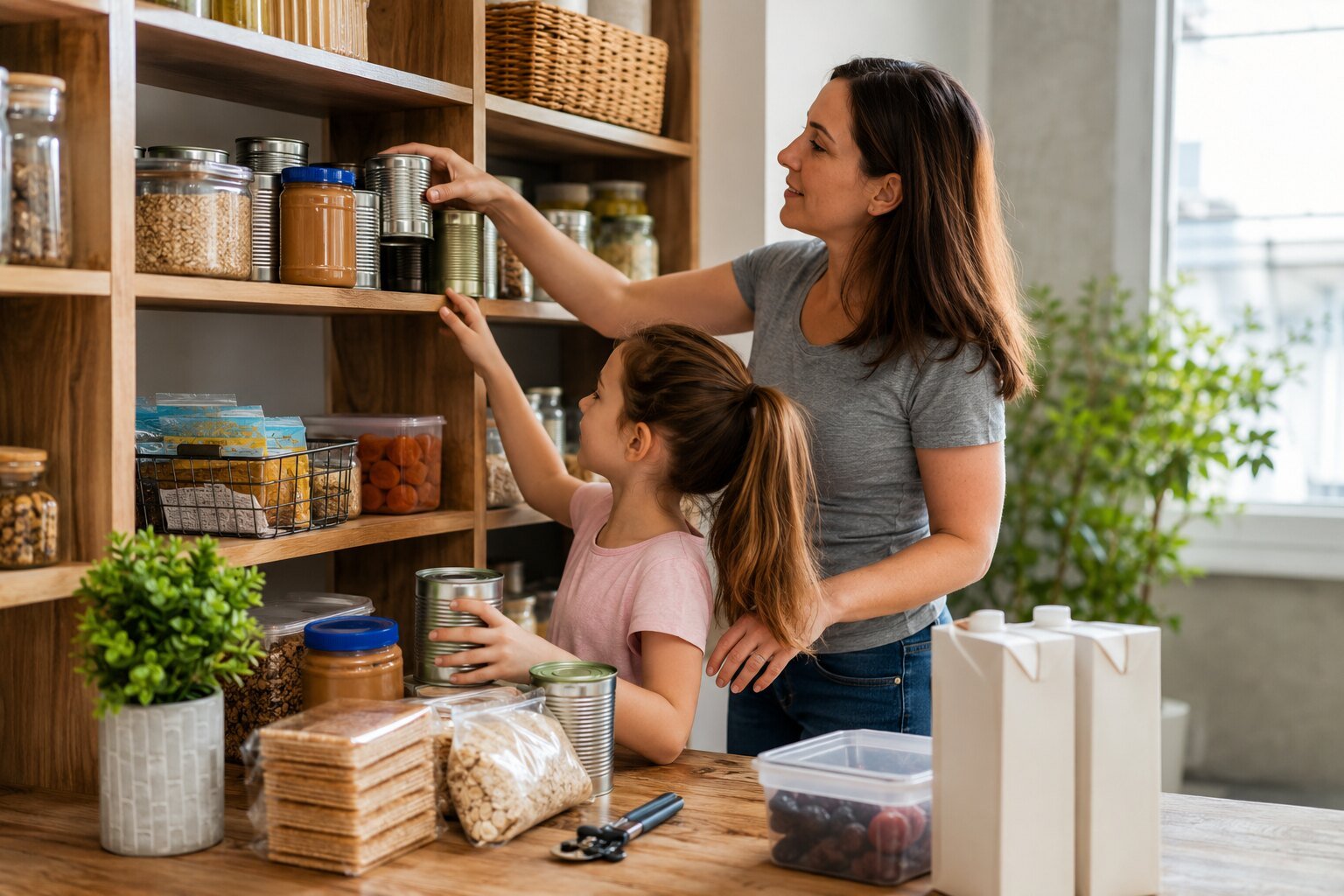
The Short Answer
Begin with at least a several-day supply of nonperishable food for every person in the household.
Choose food your family will genuinely eat, include special dietary needs, and favor items that need little or no refrigeration, water, or cooking.
Jump to a section
Emergency food does not have to mean expensive buckets of unfamiliar meals. For most families, the best place to start is much less dramatic: ordinary shelf-stable food that everyone already knows, likes, and can prepare with limited water or power.
The goal is not to build a perfect pantry in one shopping trip. It is to make sure a short power outage, storm, evacuation, or temporary supply disruption does not leave your household scrambling for every meal.
What Food Should You Store for an Emergency?
A useful emergency pantry covers more than calories. It should give you a mix of filling meals, quick snacks, protein, fruit or vegetables, and a few familiar foods that make a stressful day feel more normal.
Start with these categories:
- Ready-to-eat meals: canned soup, stew, chili, beans, pasta meals, or similar foods your household already buys.
- Protein: canned fish or chicken, beans, nut or seed butter, nuts, and shelf-stable protein options suitable for your family.
- Carbohydrates: crackers, cereal, oats, rice, pasta, tortillas, or shelf-stable bread products.
- Fruit and vegetables: canned fruit, canned vegetables, dried fruit, and fruit cups.
- Quick energy: granola bars, trail mix, crackers, and other portable snacks.
- Comfort items: tea, coffee, powdered drinks, chocolate, or another small treat the family enjoys.
- Food for specific needs: infant formula, allergy-safe foods, easy-to-chew items, low-sodium options, or medically appropriate foods.
You do not need every item on that list. Use it to spot gaps. A cupboard full of pasta is not very helpful if the water supply is limited, and a stack of canned food is frustrating when the only can opener is electric.
Build a 3-Day Emergency Food Supply First
Three days is a manageable first target. Instead of buying random cans, sketch out nine simple meals for each person and add snacks. This quickly shows whether you have enough food—and whether the food works together.
| Meal | Simple options | Check before storing |
|---|---|---|
| Breakfast | Cereal with shelf-stable milk, oats, fruit cups, nut butter and crackers | Does it require heating or extra water? |
| Lunch | Canned fish or chicken, beans, crackers, tortillas, canned fruit | Can everyone safely open and eat it? |
| Dinner | Soup, stew, chili, canned pasta, or a familiar shelf-stable meal | Can it be eaten cold if necessary? |
| Snacks | Dried fruit, nuts, trail mix, granola bars, crackers | Are there allergies or choking concerns? |
This is an example, not a fixed menu. Adjust portions for age, appetite, health needs, activity level, and the products you use. If someone follows a medically restricted diet, plan with their healthcare professional rather than relying on a generic emergency-food list.
Choose Food That Works Without Power
It is easy to plan meals around a working kitchen. Emergencies are less cooperative. You may have no refrigerator, microwave, electric stove, or safe way to wash several pots and pans.
Make sure at least some of your food:
- Can be eaten straight from the package.
- Needs little or no added water.
- Does not depend on refrigeration after opening.
- Can be prepared with a simple, familiar method.
- Comes in portions your household can finish without creating leftovers.
A manual can opener belongs beside the food, not somewhere at the back of a kitchen drawer. Add basic utensils, paper plates or bowls, and trash bags if they would make cleanup easier.
Cooking safety: Never use charcoal grills or portable gas camp stoves indoors, including in a garage. See the CDC carbon monoxide precautions. Keep ready-to-eat meals available when you have no safe cooking setup.
Do Not Use Your Drinking Water Carelessly
Dry rice, pasta, beans, and dehydrated meals can store well, but they often require water and fuel. That is not a problem when you have planned for it. It becomes a problem when the same limited water is needed for drinking, medicine, infant formula, and hygiene.
Before adding a dry product, read its instructions and note how much water it needs. Then include that cooking water in your household calculation. Our guide on how much emergency water to store will help you build the drinking-water side of the plan.
Use safe water for food preparation. If the supply is disrupted, follow local advisories and our emergency water-treatment guide; boiling does not remove fuel or toxic chemicals.
Store What Your Family Actually Eats
An emergency is a poor time to discover that nobody likes the food you bought. Familiar meals matter, especially for children, older adults, and anyone who struggles with changes in texture or routine.
A simple rule works well: store what you eat, and eat what you store. Buy shelf-stable versions of normal household food, use the oldest items during regular meals, and replace them on the next shopping trip. This keeps the pantry fresher and reduces waste.
Plan for Babies, Allergies, and Medical Diets
A family supply is only complete when it works for the people who will use it. Check for:
- Infant formula and the safe water needed to prepare it.
- Food allergies and cross-contact warnings.
- Diabetes, kidney disease, swallowing difficulties, or other medical needs.
- Religious or cultural food requirements.
- Pet food and any animal medications.
Keep labels and preparation instructions with the food. Never assume that a product is suitable for a medical condition just because it is shelf-stable.
How to Store Emergency Food Safely
Keep the supply in a cool, dry place away from direct sunlight and household chemicals. Avoid locations that become extremely hot, damp, or vulnerable to pests. Food stored in a hot garage or a wet basement may not last as expected.
- Keep packages clean, dry, and undamaged.
- Check cans for leaking, swelling, severe rust, or deep dents.
- Write the purchase month on items when dates are difficult to see.
- Place newer food behind older food.
- Review the pantry every six months and after any water, heat, or pest damage.
A Date Is Not the Only Safety Check
Food-package dates can have different meanings. Follow the manufacturer’s guidance, inspect the package, and discard food from leaking, bulging, badly rusted, or severely damaged cans. When safety is uncertain, do not taste the food to test it.
What About Food in the Refrigerator and Freezer?
Shelf-stable food gives you options while you protect the cold food already at home. During a blackout, keep refrigerator and freezer doors closed and follow official food-safety guidance. Do not depend on smell or appearance alone to judge perishable food.
An unopened refrigerator generally keeps food cold for about four hours. After four hours without power or another cold source, discard refrigerated perishables such as meat, milk, and leftovers. For measured temperature exposure and exceptions by food, consult the FoodSafety.gov discard chart.
For timing, temperature guidance, and generator safety, use our family power-outage checklist.
Avoid These Common Emergency-Food Mistakes
- Buying food nobody normally eats. Long shelf life does not help if the meal is refused.
- Counting “servings” without reading the label. A manufacturer’s serving may be much smaller than a normal meal.
- Forgetting water and fuel. Dry or dehydrated food may need more of both than expected.
- Storing only salty or sugary snacks. Variety makes several days easier to manage.
- Ignoring special diets. Every person needs safe, usable options.
- Depending on one large package. Once opened, it may be difficult to protect or finish.
- Forgetting the manual can opener. Test it before placing it in the kit.
A 20-Minute Pantry Check
- Count every person and pet in the household.
- Choose three simple breakfasts, lunches, dinners, and snacks.
- Check which ingredients are already in the pantry.
- Add food for allergies, babies, medical diets, and pets.
- Put a manual can opener and basic utensils with the supply.
- Check the water and cooking requirements.
- Write a six-month pantry review on the calendar.
If you are assembling food alongside the rest of your household supplies, use our guide to the best emergency kits for families to check lighting, first aid, communication, documents, and other essentials.
Frequently Asked Questions
How many days of emergency food should a family store?
Start with at least a several-day supply of nonperishable food for everyone in the household. Three days is a practical first target. Once that is complete, add more gradually according to your risks, space, and budget.
What foods last the longest?
Shelf life varies by product, packaging, and storage conditions. Canned goods, dry staples, and purpose-made emergency meals can last a long time when stored correctly, but the printed date and manufacturer’s instructions should guide your plan.
Should I buy freeze-dried emergency meals?
They can be useful for longer storage, but they are not required for a basic family supply. Check the total calories, portion sizes, ingredients, allergens, sodium, water requirements, and preparation method before buying.
Can canned food be eaten without heating?
Many commercially canned foods are fully cooked and can be eaten without heating, but always read the label and follow its instructions. Never eat from a leaking, bulging, or badly damaged can.
How often should I check the emergency pantry?
A six-month check is an easy habit. Look at package condition and dates, rotate food into normal meals, replace what was used, and update the supply when household needs change.
Final Thoughts
A useful emergency food supply looks more like a well-planned pantry than a movie prop. It contains familiar food, realistic portions, options that work without power, and something safe for every member of the household.
Build the first three days before worrying about a month. Once those meals are covered, add a little at a time and rotate everything through normal life. Quiet preparation is easier, cheaper, and far less wasteful than panic buying.
Trusted Sources
- Ready.gov: Food
- USDA FSIS: Keeping Food Safe During an Emergency
- USDA FSIS: Shelf-Stable Food Safety
Before Things Fail provides general preparedness information, not medical or emergency-professional advice. Follow local authority instructions and professional medical guidance for individual dietary needs.